asking price
vehicle overview
McLaren Automotive is a British sports and supercar maker who is perhaps best known for their iconic McLaren F1 of the Nineties. This 230mph road rocket really made every petrolhead’s day, with its centrally-mounted seating position and potent V12 engine that produced over 600 horsepower – which was unbelievable in the 1990s. McLaren has also dabbled in Formula 1, and they do make several sports and supercars to this day. The 570S was a sports car made by them between 2015 and 2021. It was aimed at delivering daily driving usability in a sporty package.
Exterior and Interior
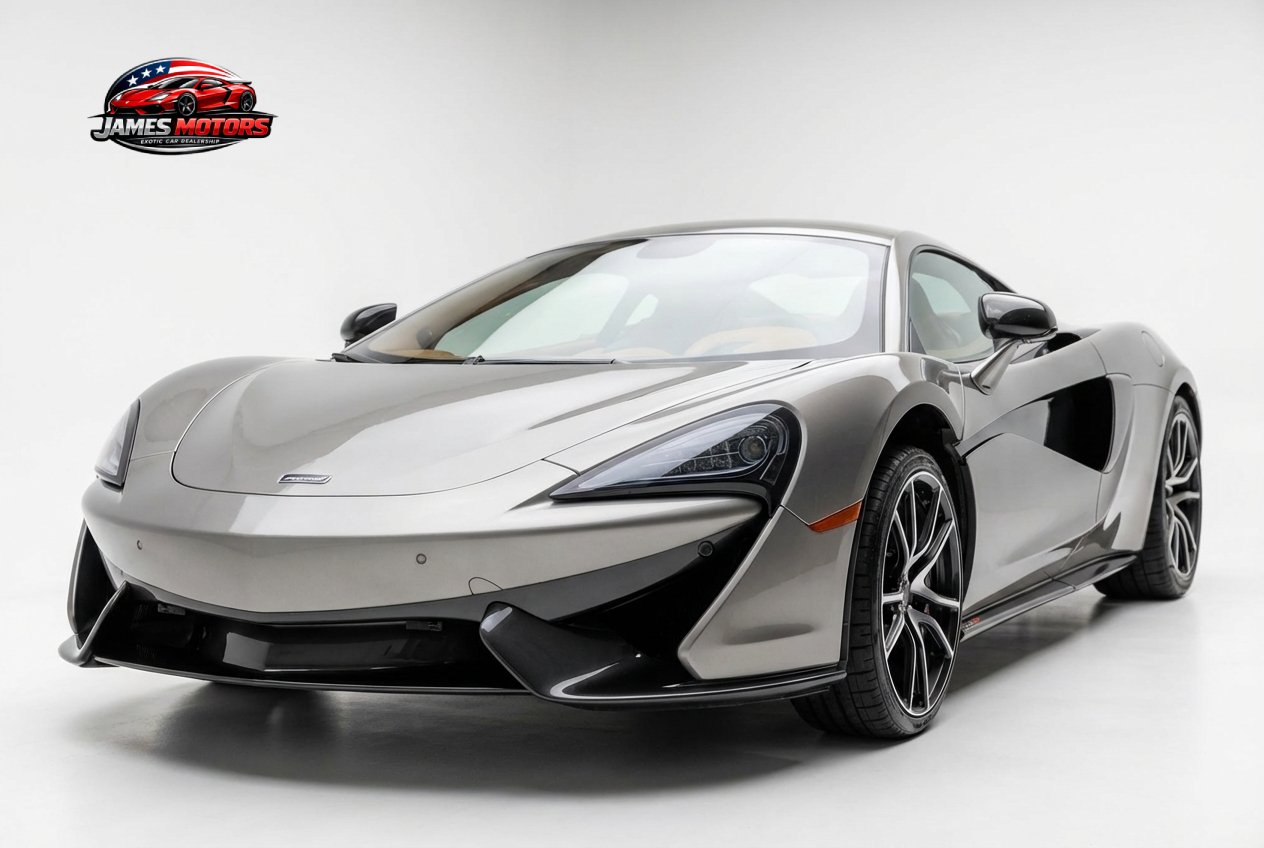
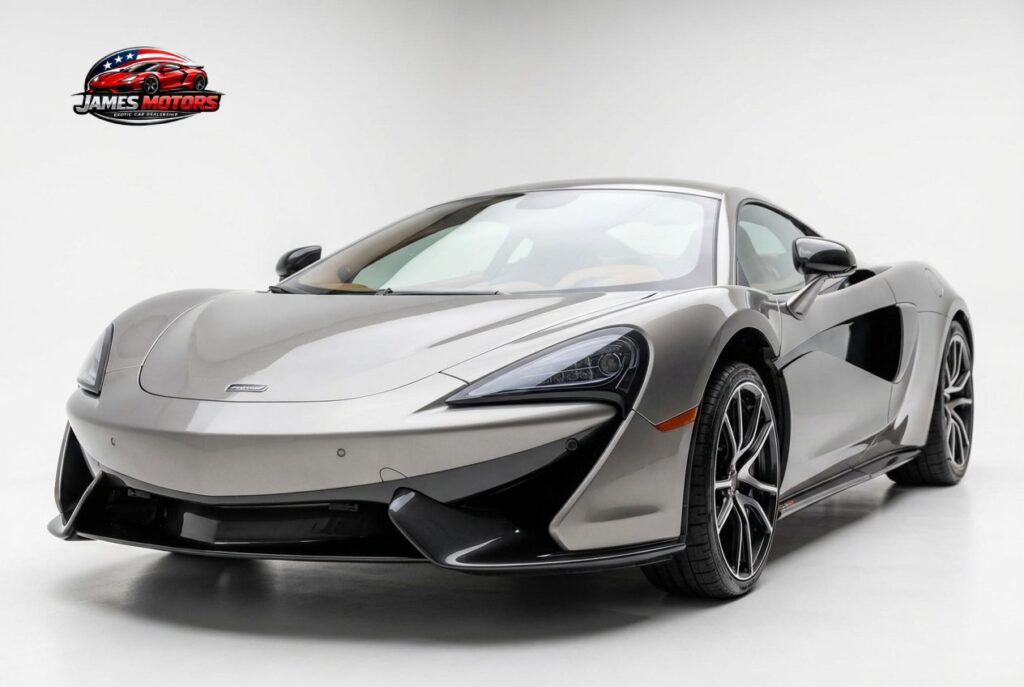
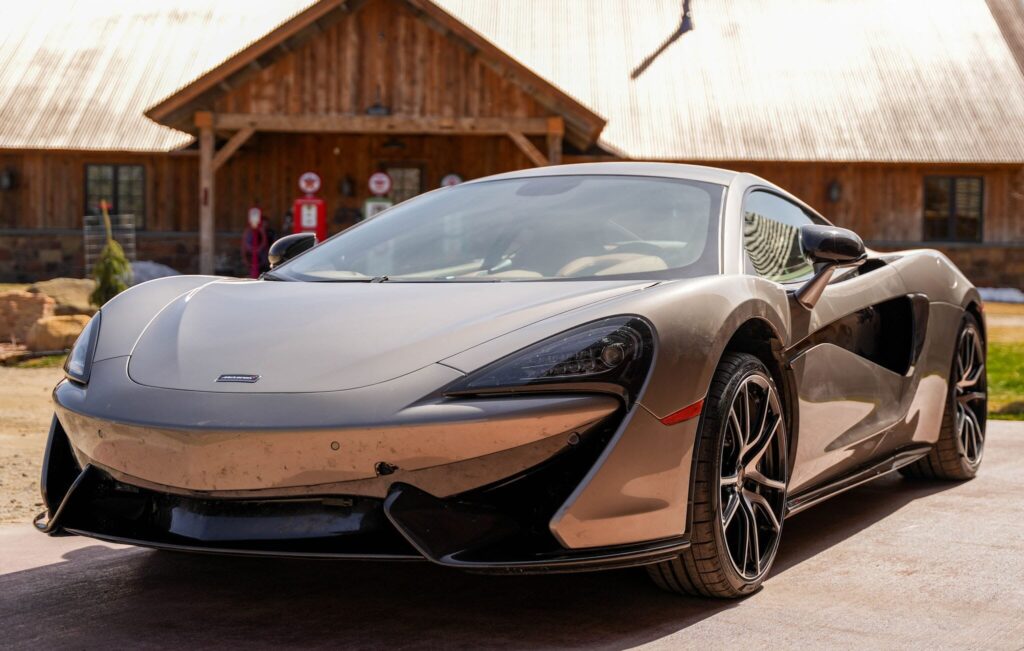
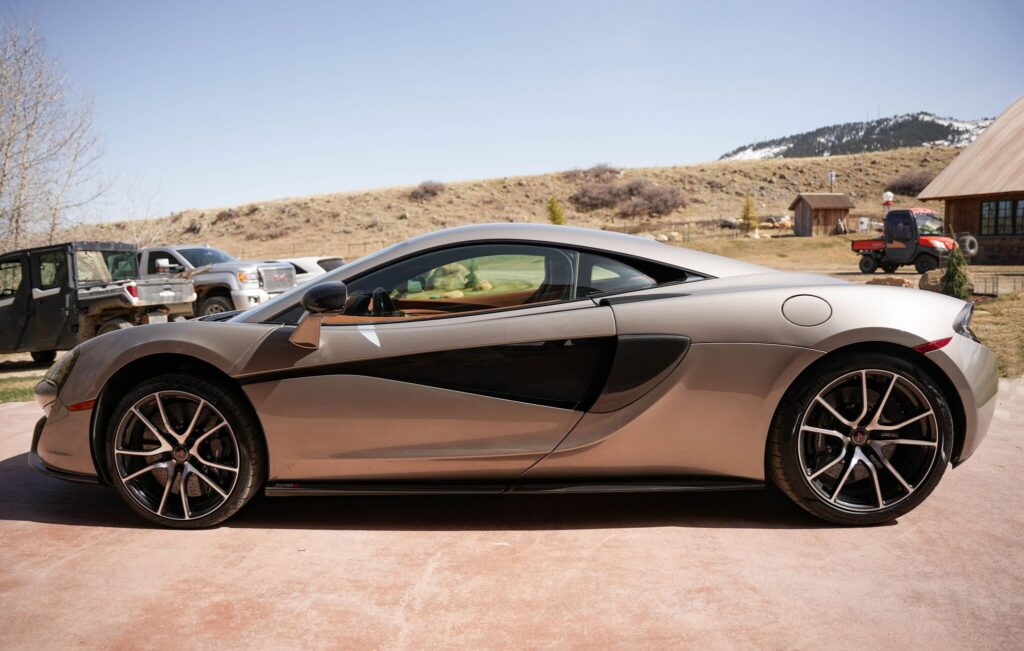
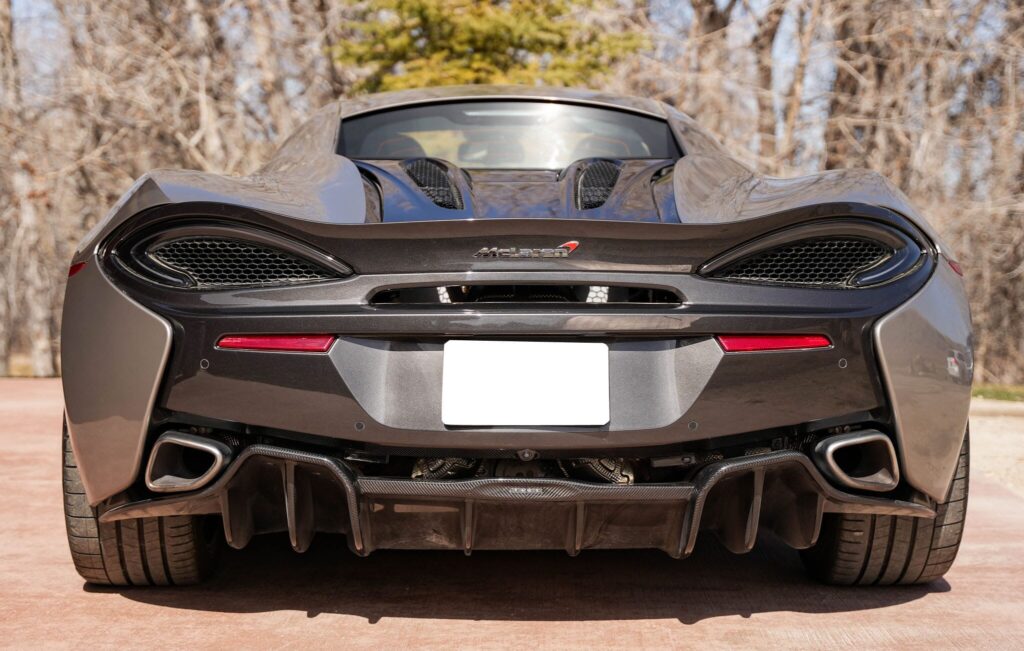
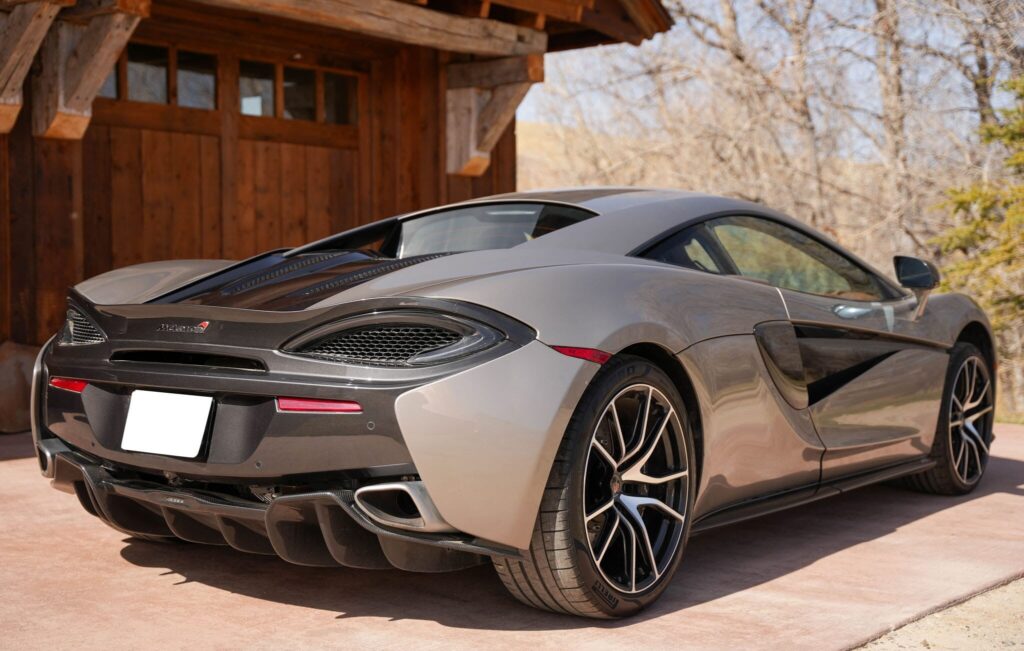
This 2016 McLaren 570S wears an awe-inspiring Blade Silver paint job that offers a subtle color-shift effect depending on lighting conditions. That’s why it has a tinge of beige/bronze in some of our photos. However, the car also comes with several exterior carbon fiber bits courtesy of the Carbon Fiber Pack. These include carbon fiber mirror caps, side skirts, aero blades, diffuser, side intakes and door inserts. Then, you’ve got 10-spoke diamond-cut alloy wheels with high-performance tires ensuring optimal grip when you really need it. A vehicle lift function is also present, to help when tackling uneven roads or tall speed humps. The two-seat Nappa Design Leather interior of this 2016 McLaren 570S comes with the Luxury Pack, and presents itself in pleasing shade of caramel beige. Accessed via McLaren’s famous dihedral doors that swing upwards, the interior comes with all the creature comforts you’d expect, including a digital gauge cluster, automatic climate control, a full infotainment suite, and a decent sound system. There’s also some luggage space, which is nice, given that many cars of this ilk don’t even bother with anything larger than a small cubby.
Engine
Powering this 2016 McLaren 570S is a twin-turbocharged 3.8-liter V8 with a reported 562hp and 443lb-ft of torque. The engine drives the rear wheels through a 7-speed dual-clutch automatic transmission. McLaren says that the 570S is capable of 0-60 in 3.2 seconds, which coincidentally, is the same figure as the McLaren F1 supercar from over two decades prior.